Mahendra M replied: "Diclofenac potassium produce analgesic effects in one hour and antirheumatic effect about two weeks.adverse effects are nausea,discomfort,skin rash peptic ulcer.fluid retention,oedema andhepatic function impairment."
marie replied: "crazy, if It helps you that's great, but the stomach side effects are bad enough, motrin is better!"
Can you take Diclofenac or Sulindac with Lisinopril? My fiancee has kidney failure and is on dialysis. He's on several blood pressure medications, including Lisinopril. He has inflammation that he's been taking Advil for, but is concerned about the potassium. However, he feels he needs to take something stronger.
Can he take Sulindac (Clinoril) or Diclofenac (Voltaren) with Lisinopril?
Will this have the same potassium problem?
And if you can't take them together, why not?
k replied: "Clinoril - NSAID
Renal Insufficiency
Sulindac pharmacokinetics have been investigated in patients with renal insufficiency. The disposition of sulindac was studied in end-stage renal disease patients requiring hemodialysis. Plasma concentrations of sulindac and it sulfone metabolite were comparable to those of normal healthy volunteers whereas concentrations of the active sulfide metabolite were significantly reduced. Plasma protein binding was reduced and the AUC of the unbound sulfide metabolite was about half that in healthy subjects.
Sulindac and its metabolites are not significantly removed from the blood in patients undergoing hemodialysis.
Since Clinoril is eliminated primarily by the kidneys, patients with significantly impaired renal function should be closely monitored.
A lower daily dosage should be anticipated to avoid excessive drug accumulation.
Long-term administration of NSAIDs has resulted in renal papillary necrosis and other renal injury. Renal toxicity has also been seen in patients in whom renal prostaglandins have a compensatory role in the maintenance of renal perfusion. In these patients, administration of a nonsteroidal anti-inflammatory drug may cause a dose-dependent reduction in prostaglandin formation and, secondarily, in renal blood flow, which may precipitate overt renal decompensation. Patients at greatest risk of this reaction are those with impaired renal function, heart failure, liver dysfunction, those taking diuretics and ACE inhibitors, patients who are volume-depleted and the elderly. Discontinuation of NSAID therapy is usually followed by recovery to the pretreatment state.
Advanced Renal Disease
No information is available from controlled clinical studies regarding the use of Clinoril in patients with advanced renal disease. Therefore, treatment with Clinoril is not recommended in these patients with advanced renal disease. If Clinoril therapy must be initiated, close monitoring of the patient's renal function is advisable.
Voltaren - NSAID
Caution should be used when initiating treatment with Voltaren in patients with considerable dehydration.
Long-term administration of NSAIDs has resulted in renal papillary necrosis and other renal injury. Renal toxicity has also been seen in patients in whom renal prostaglandins have a compensatory role in the maintenance of renal perfusion. In these patients, administration of a nonsteroidal anti-inflammatory drug may cause a dose-dependent reduction in prostaglandin formation and, secondarily, in renal blood flow, which may precipitate overt renal decompensation. Patients at greatest risk of this reaction are those with impaired renal function, heart failure, liver dysfunction, those taking diuretics and ACE inhibitors, and the elderly. Discontinuation of NSAID therapy is usually followed by recovery to the pretreatment state.
Any patient that is currently on dialysis should discuss any medications that are considering to incorporate in their daily regime with their doctor."
More Sites
Diclofenac Potassium Official FDA information, side effects ...
Accurate, FDA approved Diclofenac Potassium information for healthcare professionals and patients - brought to you by Drugs.com.
Diclofenac Tablets Official FDA information, side effects and ...
Accurate, FDA approved Diclofenac Tablets information for healthcare professionals and ... Diclofenac potassium tablets are contraindicated for the treatment of ...
Diclofenac Potassium Oral: AHFS Detailed Monograph
AHFS Detailed Monograph from Medscape Drug Reference ... Diclofenac potassium is used orally for symptomatic relief of postoperative pain ...
Diclofenac Potassium Oral : Uses, Side Effects, Interactions ...
Find patient medical information for Diclofenac Potassium Oral on WebMD including its uses, side effects and safety, interactions, pictures, warnings and user ratings
Diclofenac Potassium
Diclofenac potassium is a drug licensed to relieve pain, inflammation, and swelling. ... (Diclofenac Potassium Continued: Page 2) Advertisement. Advertisement ...
Diclofenac - Wikipedia, the free encyclopedia
... of KCNQ- and BK-potassium channels (diclofenac opens these channels, leading to ... preparations containing 25 mg diclofenac as the potassium salt in New Zealand, ...
Clinical:Diclofenac potassium (Diclofenac Potassium) - Medpedia
The information on this page is seed content provided by an organization. ... Diclofenac potassium, is a faintly yellowish white to light beige, virtually ...
Comparative bioavailability of two suspension formulations of ...
... potassium diclofenac) in an open randomized two period crossover design, with a ... bioavailability between both potassium diclofenac suspension brands was ...
Diclofenac is a relatively potent NSAID
Diclofenac is considered safe, is faster acting than ibuprofen, and remains ... Cataflam oral tablets, the diclofenac potassium is quickly released into the ...
DICLOFENAC SODIUM (POTASSIUM)
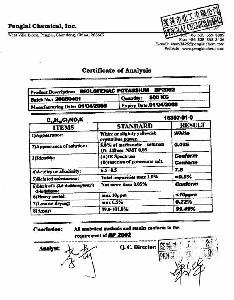
DICLOFENAC. PRODUCT IDENTIFICATION. CAS NO. 15307-86-5 (Sodium salt) 15307-81-0 (Potassium salt) ... DICLOFENAC POTASSIUM. APPEARANCE. White to yellowish ...
Find More
potassium diclofenac,
valsartan plus amlodipine,
is watermelon the new viagra,
what is the simvastatin,
lamotrigine reviews on bipolar,
fosamax jaw sideeffects,
affect effexor side,
propranolol effect on hand tremors,
caffeine suppliers,
seroquel patient assistance program,
re any positive effexor experiencesPotassium Diclofenac © 2009